
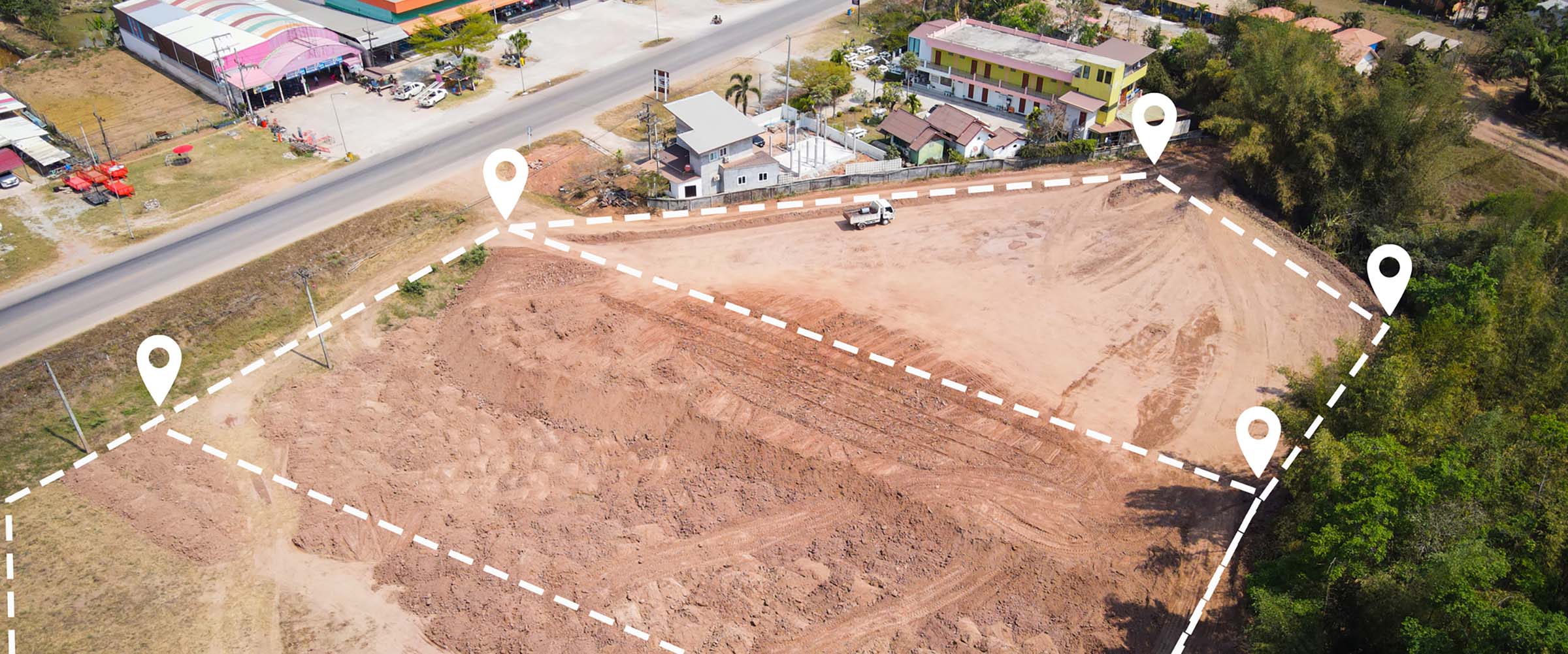
Real estate syndications are commonly associated with apartment buildings, self-storage facilities, and industrial properties. However, some of the most significant value creation opportunities in commercial real estate occur long before a building is ever constructed. Land entitlement syndications allow investors to acquire undeveloped land, navigate the complex entitlement process, and ultimately sell the property to a developer at a substantially higher value.
This strategy focuses on transforming raw or underutilized land into a development-ready asset. Rather than generating income from rents, investors seek returns through appreciation created by obtaining permits, rezoning approvals, utility access, and other governmental approvals necessary for future development.
What Is a Land Entitlement Syndication?
A land entitlement syndication is an investment structure in which a sponsor raises capital from passive investors to acquire undeveloped land and pursue approvals that increase the property’s development potential.
The sponsor identifies a parcel that may currently be zoned for agricultural, rural, or low-density uses but has the potential to support higher-value development such as:
- Residential subdivisions
- Multifamily housing
- Mixed-use developments
- Industrial parks
- Self-storage facilities
- Commercial retail centers
- Hospitality projects
The objective is not necessarily to develop the property. Instead, the sponsor seeks to create value by obtaining the governmental approvals necessary for future development and then selling the entitled property to a builder or developer.
Identifying the Land Opportunity
The process begins with locating land that possesses a disconnect between its current value and its future potential. Sponsors typically evaluate:
- Existing zoning classifications
- Comprehensive plans and future land use maps
- Population growth trends
- Infrastructure expansion plans
- Utility availability
- Transportation improvements
- Market demand for future development
For example, a parcel currently zoned for agricultural use may be located in the path of suburban expansion. If local planning documents indicate support for residential development, the property may be a strong candidate for rezoning and entitlement. The sponsor’s ability to identify these opportunities often determines the success of the entire investment.
Conducting Due Diligence
Before raising capital or closing on the acquisition, sponsors typically perform extensive due diligence. This may include:
- Title examinations
- Environmental assessments
- Wetlands evaluations
- Floodplain studies
- Utility availability reviews
- Traffic impact analyses
- Topographical surveys
- Geotechnical investigations
Land entitlement projects often carry significant entitlement risk. Environmental constraints, utility limitations, or regulatory hurdles can materially affect the feasibility of the project. As a result, many sponsors negotiate purchase contracts that include lengthy due diligence periods or entitlement contingencies before closing.
Forming the Syndication Structure
Once the opportunity has been vetted, the sponsor forms a special purpose entity, typically a limited liability company, to acquire the property. The sponsor then raises capital from investors through a private securities offering, commonly relying on exemptions such as Regulation D under the Securities Act of 1933. The sponsor typically serves as the manager of the syndication entity and oversees all aspects of the entitlement process.
Acquiring the Property
After capital is raised, the syndication acquires the land. Unlike income-producing syndications, entitlement projects generally produce little or no current cash flow. Investors should understand that returns are often entirely dependent upon a successful sale of the property following the completion of the entitlement process. The investment timeline may range from one to five years or longer depending upon the complexity of the approvals required.
Obtaining Entitlements
The entitlement phase is where most of the value creation occurs. “Entitlements” refer to the governmental approvals that permit development of the property. These approvals may include:
- Rezoning applications
- Comprehensive plan amendments
- Preliminary plat approvals
- Subdivision approvals
- Site plan approvals
- Conditional use permits
- Variances
- Annexation approvals
- Utility service agreements
Sponsors often assemble a professional team, or contract services from professionals, often consisting of land use attorneys, civil engineers, surveyors, environmental consultants, traffic engineers, architects, and planning consultants. Additionally, the entitlement process frequently requires meetings with municipal staff, planning commissions, neighborhood groups, and elected officials. Public hearings are often necessary before final approvals are granted.
Increasing the Property’s Value
As approvals are obtained, the property’s market value may increase substantially. For example, a 100-acre parcel valued at $20,000 per acre as agricultural land may command significantly higher pricing once it receives approvals for a residential subdivision or multifamily development.
The increase in value stems from the reduction of uncertainty. Developers are often willing to pay a premium for property that already possesses the approvals necessary to begin construction. By completing the entitlement work, the syndication effectively transfers development risk away from the eventual buyer.
Marketing the Entitled Property
Once the necessary approvals have been obtained, the sponsor typically markets the property to developers, builders, institutional investors, or other real estate operators. Potential buyers may include:
- National homebuilders
- Regional residential developers
- Multifamily developers
- Industrial developers
- Self-storage operators
- Mixed-use development companies
Marketing materials often include:
- Approved site plans
- Rezoning approvals
- Engineering reports
- Utility commitments
- Traffic studies
- Development yield analyses
These materials allow buyers to evaluate the project quickly and proceed toward development with fewer uncertainties.
Sale and Distribution of Proceeds
Following the sale of the entitled land, the syndication distributes proceeds according to the operating agreement and offering documents. A typical distribution waterfall may include:
- Return of investor capital.
- Payment of any preferred return.
- Profit-sharing between investors and the sponsor.
The sponsor’s promote compensates the sponsor for identifying the opportunity, raising capital, managing consultants, navigating governmental approvals, and executing the exit strategy.
Conclusion
Land entitlement syndications occupy a unique niche within the real estate investment landscape. By acquiring undeveloped land and obtaining the approvals necessary for future development, sponsors can create substantial value without undertaking vertical construction.
The strategy requires specialized expertise in land use, planning, engineering, and local governmental processes. When executed successfully, however, entitlement syndications can produce attractive returns by converting raw land into a development-ready asset sought after by builders and developers.
For investors seeking exposure to a value-add real estate strategy that focuses on entitlement and zoning expertise rather than property operations, land entitlement syndications offer an alternative path to real estate wealth creation. For more information on land entitlement syndications, or to discuss real estate syndications in general, reach out to the author at ben@3pillarslaw.com.
