
In recent years, many property owners have experienced rising property insurance premiums. While some of these increases are driven by factors beyond your control, there are several proactive steps you can take to potentially lower the cost of insuring your investment property. Here are six effective strategies:
1. Partner with an Experienced Insurance Agent
Working with an insurance agent who specializes in real estate investment properties can make a significant difference. An experienced agent will guide you through every step—from gathering competitive quotes and identifying the right coverage to applying available discounts and offering flexible payment options. This kind of partnership can help you save money while making confident, informed decisions.
2. Evaluate Your Property’s Construction Materials
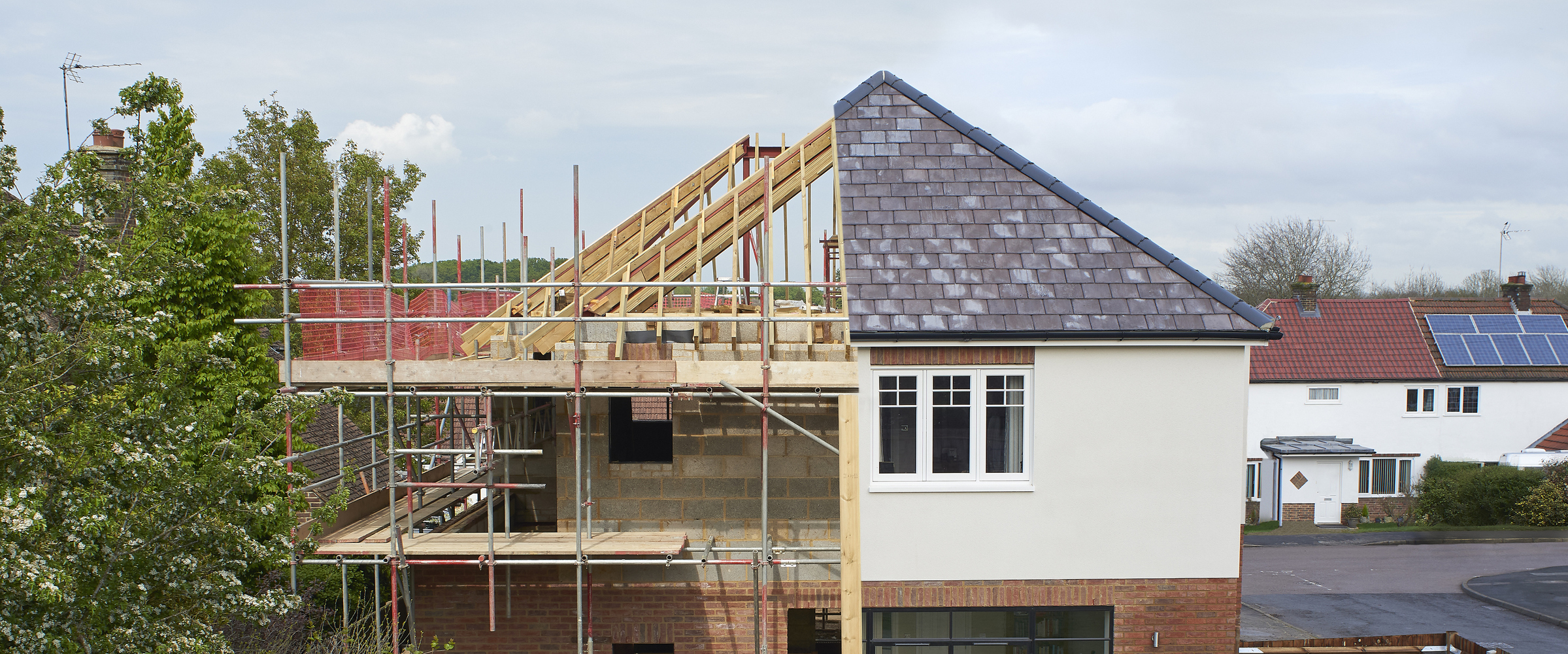
The materials used in your property’s construction directly affect your premiums. For example, in states like Colorado, upgrading to an impact-resistant roof may qualify you for substantial discounts. If you’ve made recent improvements—such as replacing roofing, windows, or siding—be sure to let your agent know. These updates could translate into meaningful savings.
3. Invest in Risk Prevention Systems
Installing protective systems like water or gas leak detectors, smoke alarms, or freeze sensors can not only safeguard your property but also reduce your insurance costs. Insurers often offer discounts for properties equipped with modern risk mitigation features, as they’RE•CONsidered less likely to experience costly claims.
4. Adjust Your Deductible
Raising your deductible is one of the most straightforward ways to lower your premium. While a typical deductible may start around $2,500 for standard claims, increasing it—especially for wind and hail coverage—can lead to noticeable savings. Just be sure that your chosen deductible aligns with what you’re comfortable paying out-of-pocket in the event of a claim.
5. Consolidate Your Insurance Policies
If you own multiple properties, consolidating them under one master policy can simplify your insurance management and potentially reduce your overall cost. Bundling policies often results in discounts, and having a single renewal date and unified terms can make administration much easier.
6. Review Your Property’s Reconstruction Cost
It’s important to regularly reassess the estimated reconstruction cost of your property. This figure reflects what it would cost to rebuild from the ground up in the event of a total loss—not the current market value. Overestimating could mean higher premiums, while underestimating may leave you underinsured. Make sure your coverage keeps pace with inflation and local construction trends to ensure you’re properly protected without overpaying.
Stay Ahead with the Right Guidance
With increasing weather-related risks and changing market conditions, staying informed and working closely with your insurance provider is more important than ever. A trusted insurance agent can help you stay ahead of industry changes and uncover new opportunities to save—without compromising on coverage.
If you’d like to discuss any of these strategies or explore customized options for your investment property, I’m here to help. Let’s schedule a consultation to review your coverage and find the best ways to protect your assets while managing costs effectively.
